Asturian Food & Drink: A Guest's Guide to Flavours Near Casa Llenín
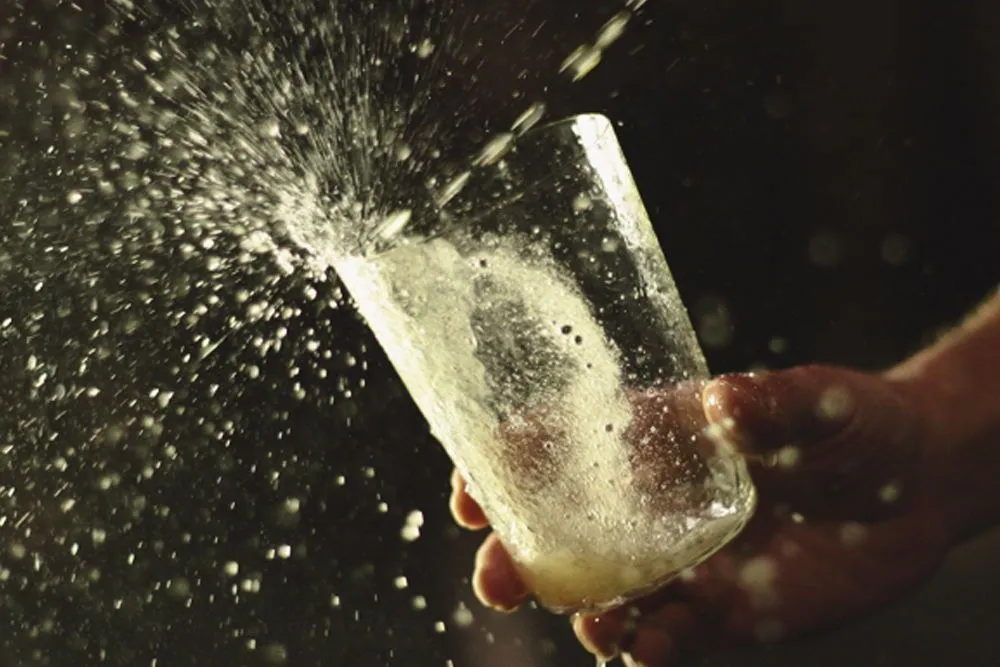
The smell reaches you first. Step into a sidrería near Cangas de Onís and you are among wooden barrels, with slow-cooked pork and beans drifting from the kitchen and the sharp tang of apple in the air. A waiter lifts a green bottle above his head, lowers a glass to his thigh, and lets a thin stream of cider fall the distance between them without looking. Nobody at the bar turns round. This happens here several hundred times a night.
The dishes to order
Fabada asturiana is the dish that defines the region: large white beans, fabes, cooked slowly with chorizo, morcilla and pork shoulder until the broth is thick with smoke and paprika. It is not delicate food. It is what you want after a morning in the Picos.
Cachopo is two veal escalopes around a filling of ham and cheese, breaded and fried until golden. Order one between two. It arrives the size of a small shield, and restaurants compete fiercely over whose is best.
Merluza a la sidra, hake poached in cider with onion, garlic and paprika, shows that cider is an ingredient as much as a drink. Pote asturiano, with beans, cabbage, potato and pork, is fabada’s lighter cousin.
Then the cheeses. Cabrales is aged in limestone caves in the Picos and is blue, pungent and extraordinary. Gamonéu has the same mountain character with less of the punch. Both are sold at the Sunday market in Cangas de Onís by the people who made them.
The parrilla: veal over oak embers
If cider is the soul of Asturias, the parrilla is its hearth. These are restaurants built around an open wood fire, and what goes on the grill is ternera asturiana: veal from cattle raised on mountain pasture, pale, tender and full of flavour. You smell the oak smoke from the car park. A chuleta arrives sizzling on a hot plate, salted and nothing else, and you carve it at the table.
The same fire takes fish from the Cantabrian coast: sea bream, turbot, whatever came in that morning. At Güeyu Mar, above Playa de Vega, the grill is the whole menu, and people cross the country for it. Book well ahead.
Sidra, and how to drink it
Asturias makes around eighty percent of Spain’s cider, from nearly two hundred varieties of apple grown in small family orchards called pomaradas. You can see them across the valley from the house, and there are cider apple trees in our own orchard. They are not eating apples. Try one and you will find out why.
The pour is called escanciar, and Asturian cider culture was added to UNESCO’s list of intangible heritage in 2024. The height is practical: natural cider is still, and the fall wakes it up. You are given a finger’s width in the glass. Drink it at once, in one go, because it goes flat within a minute. Order by the bottle, never by the glass.
Where to eat near Casa Llenín
San Martín Gastrobar, in Mestas de Con, is 1.5 km from the house and Petra’s own first choice: grilled local produce and a terrace, with a play area if you have children. Book at weekends.
In Cangas de Onís, El Polesu is the classic sidrería for fabada, cachopo and river trout. La Caldera is the local favourite for cachopo. Picu Urriella does a reliable menú del día.
Some of Petra’s notes, after twenty years of eating around this valley:
- La Sifonería: “Cannot go wrong. Not to be missed.”
- Casa Morán: “Famous for their fabada, one of the best in the area.”
- Sidrería La Marina: “My personal favourite, especially for parrochas, small fresh sardines. I have been coming here for twenty years.”
- El Molín de Mingo: “A lovely old mill with proper Asturian cooking. Do not follow Google Maps. Drive via Peruyes or you will end up on goat paths.”
Practical tips
- Menú del día: most restaurants serve a set lunch of two or three courses with a drink for around €10 to €15. It is the best-value meal in Spain.
- Hours: lunch runs from about 13:30 to 15:30 and dinner starts at 20:30. Outside summer, ring ahead.
- Portions: generous. Do not order two mains to share.
- Sunday market: Cangas de Onís, 9:30 until early afternoon. Be there by ten; the best Cabrales is gone by mid-morning. Eat a bollo preñao, a roll baked around a chorizo, standing up with a coffee.
The kitchen at Casa Llenín has six gas burners and enough pans for a serious meal, so the market is not only for looking. Buy the fabes, the chorizo and the cheese, carry them home, and cook them slowly while the stove warms the house. Then go out tomorrow and let someone else do it better.